

Our Support
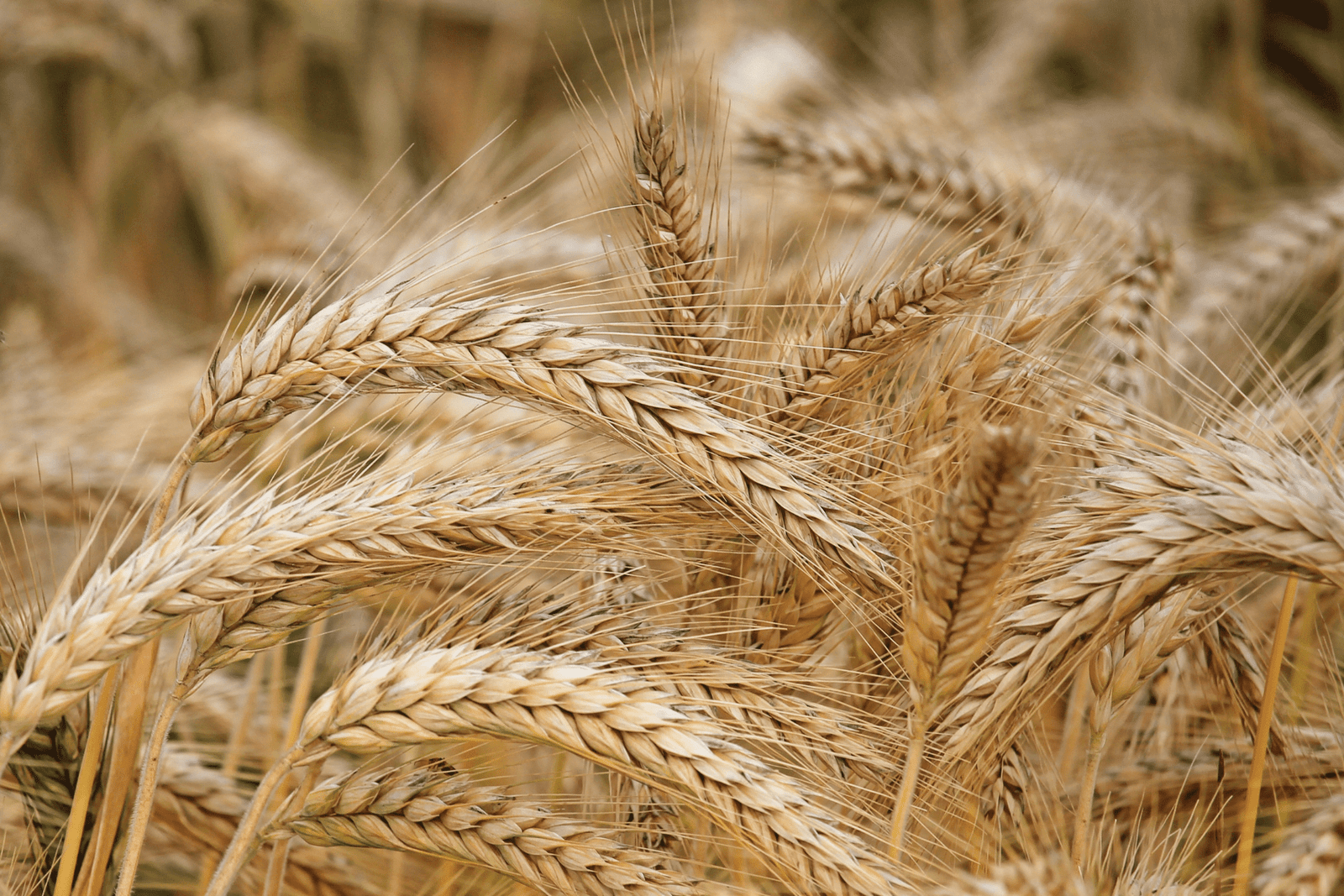
Among the world’s top wheat producers and exporters, India is a major component in the wheel of international food production. International demand is met and domestic food security is maintained by the country’s wheat exports to several nations. Nevertheless, wheat exports from India are vulnerable to governmental restrictions, price swings, and international market tendencies. From the leading exporters to the most important destinations and government legislation, this blog explores the Indian wheat export industry and its future possibilities.
India produces more wheat than any other country in the world, second only to China. There is a large surplus of production, which enables substantial exports, even with the strong local consumption. The resulting table provides a summary of the wheat production and export data for India.
| Year | Wheat Production (Million Tons) | Wheat Exports (Million Tons) |
| 2019 | 103.6 | 0.2 |
| 2020 | 107.6 | 2.1 |
| 2021 | 109.5 | 7.2 |
| 2022 | 100.5 | 4.3 |
| 2023 | 112.5 | The export ban in effect |
The world market for wheat exports is dominated by a few countries. The top exporters, although India has a major role, are as follows.
| Rank | Country | Annual Wheat Exports (Million Tons) |
| 1 | Russia | 45 |
| 2 | EU (Combined) | 38 |
| 3 | United States | 22 |
| 4 | Canada | 25 |
| 5 | Australia | 24 |
| 6 | India | 4.3 (before ban) |
India is a major exporter of wheat, and multiple commercial and government organizations help make that happen. Among the leading wheat exporting companies in India are-
Wheat exporting companies in India ship wheat to places like Southeast Asia, Africa, and the Middle East to satisfy the international market and make sure it meets quality requirements.
The majority of wheat exports from India go to developing nations and bordering countries that are still worried about their food supply. Here are the main buyers:
| Country | Share in Indian Wheat Exports (%) |
| Bangladesh | 46 |
| Indonesia | 12 |
| UAE | 10 |
| Yemen | 9 |
| Philippines | 6 |
| Others | 17 |
Also Read This: Busiest Port in India: Backbone of its Trade and Economy
In May 2022, the government of India banned the export of wheat in an effort to guarantee food security at home in the face of increasing international expenses and decreased production caused by climate change. However, there were a few notable exceptions, as mentioned below.
India facilitated exports to a few nations that were experiencing food shortages through government-to-government (G2G) agreements.
While the export of raw wheat was outright forbidden, the export of processed wheat flour was subject to some limitations.
In 2024, the government will reevaluate the situation in the market and make a decision about whether or not to remove the ban.
India’s wheat export market is expected to grow in the next years despite the restrictions that are currently in place due to the following reasons.
Despite the temporary restrictions placed on wheat exports, India continues to operate as an important supplier in the international wheat trade. Wheat exports from India are anticipated to regain speed as rules continue to reform, which will contribute to the security of food supplies throughout all nations while also benefiting local farmers and traders.